EN
 ES
 PT

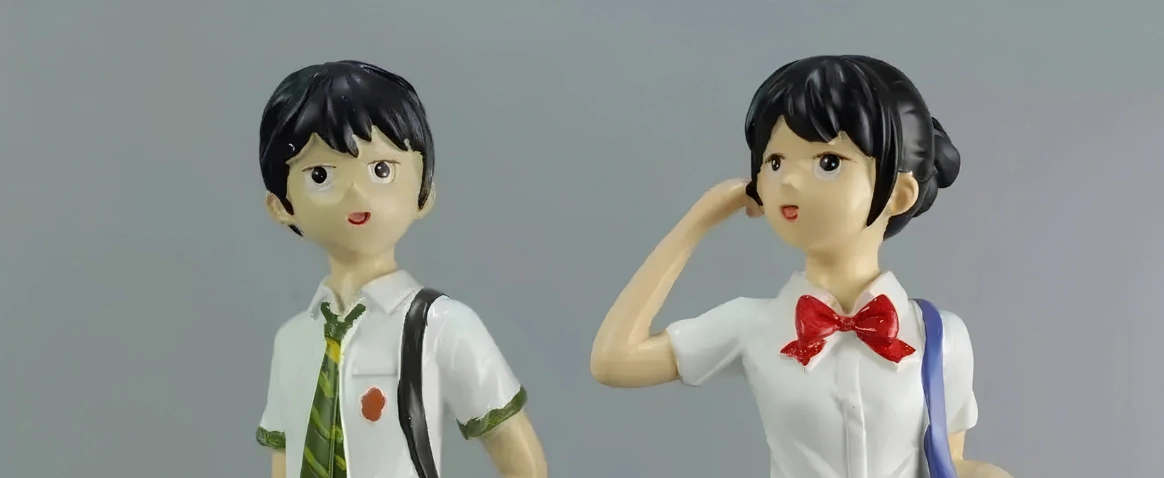
Entering the world of anime collecting is an exciting journey, but it also hides a few traps for the unwary. The counterfeit market, commonly known as the world of bootleg figures, has grown substantially in recent years. These pirated copies attempt to replicate releases from major brands around the world, but deliver poor-quality products without any kind of official licensing.
Whether you’re planning your next purchase or used our list of 8 amazing gifts at Anikimi for anime figure fans to surprise a friend, the last thing you want is to spend your money on a fake product. Spotting these replicas requires a careful eye, but there are clear signs that can immediately expose a bootleg. Let’s take a look at the main things you should watch out for to protect your shelf and your investment.
The price that’s too good to be true
How to identify suspicious prices before buying
The first and most obvious warning sign is, without a doubt, the price offered by the seller. In the collecting world, the costs of modeling, sculpting, industrial molds, and official licensing set the minimum market value for these products. If you find a scale figure that normally costs more than one hundred dollars being sold for just twenty or thirty dollars on an international marketplace, you can be almost certain that you’re looking at a counterfeit.
The box and authenticity seals
Packaging details you should check
The packaging is the collector’s first line of defense and one of the areas where counterfeit manufacturers make the most obvious mistakes. Official boxes are made from high-quality rigid cardboard, with sharp printing and vibrant colors. Bootlegs, on the other hand, often come in flimsy cardboard boxes that crease easily, with pixelated images, faded colors, or, in many cases, sellers offering the product with a “no box” option to reduce shipping costs.
To make absolutely sure before opening the product, inspect the packaging for crucial details:
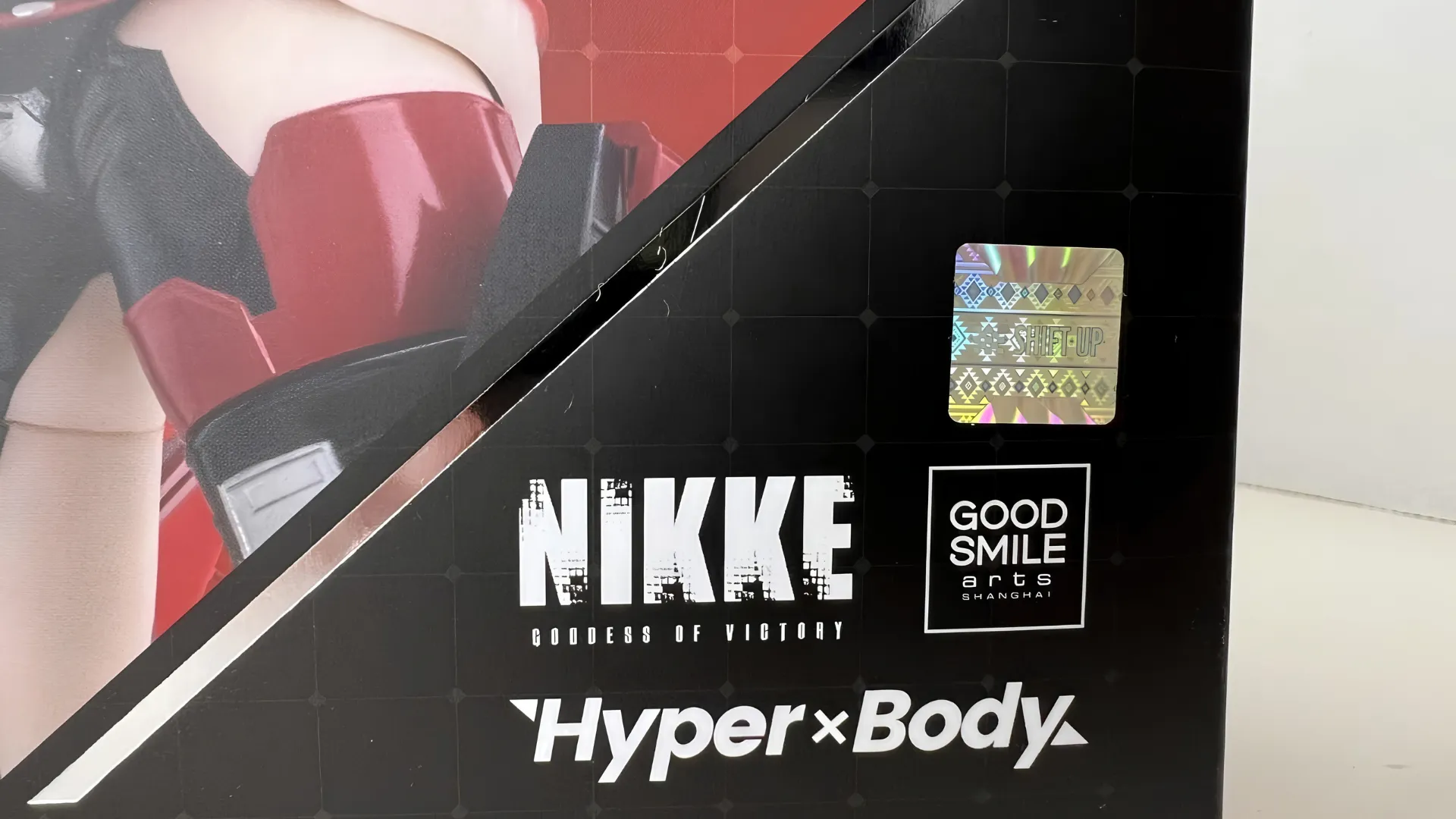
• Manufacturer Logos – Original figures always feature clearly visible and sharp logos from Good Smile Company, Bandai, Kotobukiya, or Max Factory. If the box omits these symbols or has altered names, it is fake.
• Holographic Licensing Seals – Major studios such as Toei Animation, Kodansha, or Shueisha place specific holographic stickers on the box to prove that the necessary copyright licenses have been paid for.
• Copyright Text – Look for detailed legal notices on the bottom of the packaging, usually written in clearly readable Japanese or English and without spelling mistakes.
Structural flaws, paintwork, and shiny plastic
Signs of poor quality on the figure itself
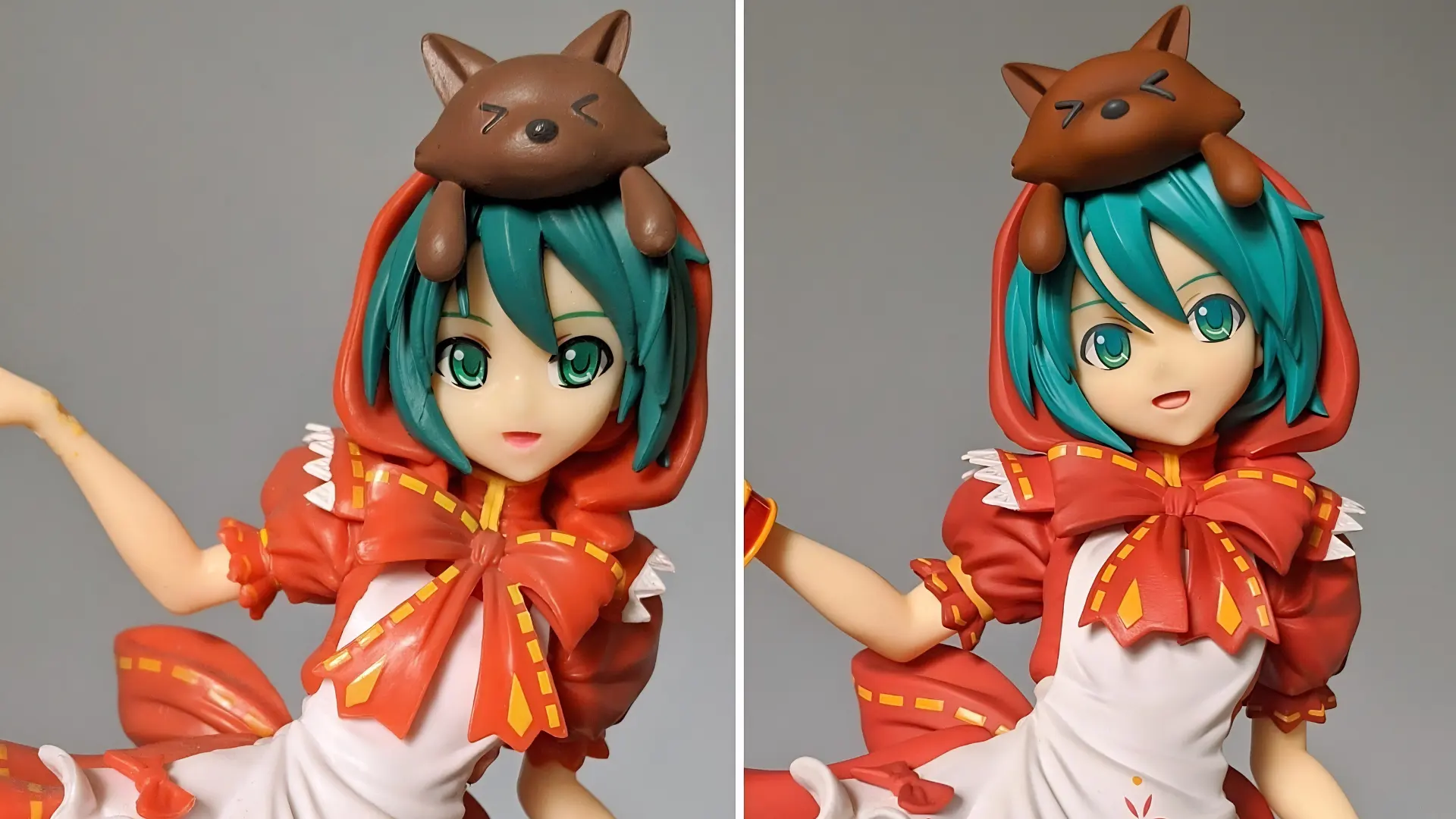
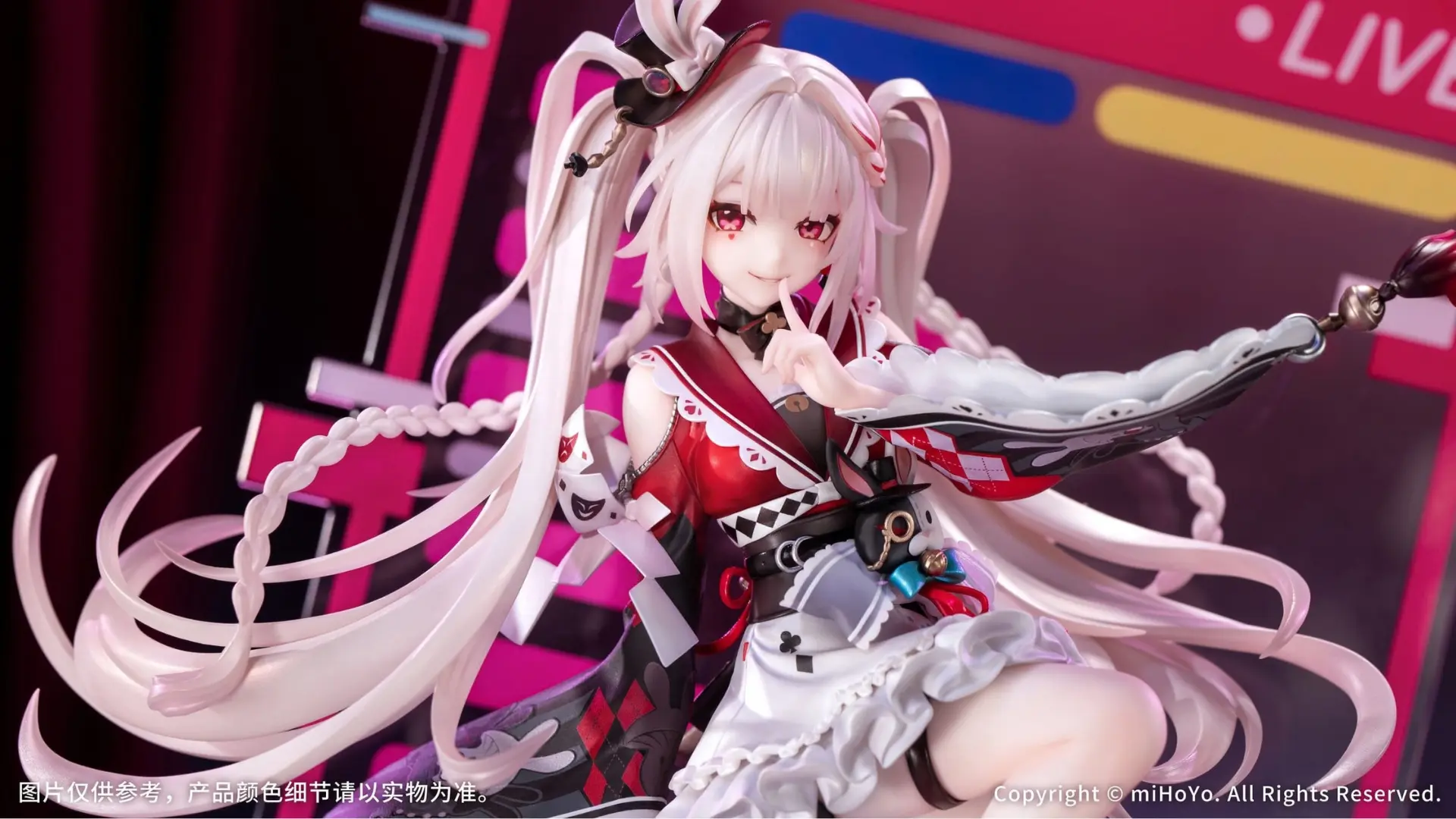
If the figure is already out of the box, the quality of the materials can expose the copy immediately. Legitimate manufacturers use high-precision molds and treated plastics to guarantee a smooth, matte finish. Bootlegs use lower-quality recycled PVC, which often gives off a strong chemical smell reminiscent of burnt plastic or cheap glue.
Visually, the poor quality is obvious. The skin of fake characters often has a shiny, greasy, or oily appearance, the eyes may be misaligned (giving the character a cross-eyed look), and paint lines in the hair are rough and full of smudges. In addition, joints may not fit properly into the bases and parts tend to warp or break very easily, unlike genuine materials that can remain in good condition over time if you know how to clean your anime figures safely without causing damage.
The “Made in China” myth
Why the country of manufacture does not determine authenticity
One of the biggest mistakes made by people who are just starting out in this hobby is rejecting a figure simply because it says “Made in China” on the bottom of the figure or on the packaging. It is important to clarify that the vast majority of original and licensed figures on the market are, in fact, designed, sculpted, and entirely manufactured in Japan, following the exceptionally high standards of the Japanese industry.
Seeing that marking on the box may cause some concern, but it does not automatically mean that the product is fake. Although Japan has historically concentrated a large part of the industry’s ecosystem and manufacturing, the market has expanded, and today there are also highly respected brands based in China, such as Myethos, APEX-TOYS, and HobbyMax, which create original luxury scale figures with an impressive level of artistic detail. For this reason, the authenticity of a piece is never determined by the country printed on it alone, but rather by the presence of official licensing marks, legitimate distribution channels, and strict quality control.
The hidden details of the blister and circular seals
Small packaging details that can reveal a bootleg
If you have the opportunity to examine the packaging in person before making a purchase, there are small details in the packaging design that counterfeit manufacturers often overlook in order to save on production costs. The first is the box seals. Original brands close the cardboard flaps using transparent, perfectly round adhesive stickers (commonly known as wafer seals). If the box you’re holding is closed with ordinary office tape, cut irregularly with scissors, or has yellowed glue residue, it is an immediate sign of a bootleg.
The second hidden detail can be found inside the protective plastic blister. When you look through the transparent window of an original figure, you may notice small, flexible transparent plastic sheets strategically wrapped around the neck, underneath PVC clothing, around the arms, or on the most delicate joints. These films are designed to prevent the parts of the figure from rubbing directly against each other during international shipping, helping to prevent paint transfer and marks. Bootlegs never include these internal protections; the fake pieces are simply placed inside the rigid plastic mold without any additional care.
The physics of weight and loss of center of gravity
How weight and stability can reveal differences
Another mechanical and purely physical factor that can expose a bootleg is the actual weight of the figure in your hand. Original collectible-grade PVC and ABS have a high material density, giving the character a noticeable sense of solidity and weight when you hold it. Counterfeit figures, on the other hand, are made with low-density recycled plastic mixtures and often have parts that should be solid but are molded completely hollow to save on raw materials.
This incorrect density and structural weight seriously compromise the physics and center of gravity that the brand’s engineers designed into the original. Because counterfeit copies can suffer from softer plastics and bases that are too light, the result can be disastrous over time: after just a few weeks on display, under normal room temperatures, the legs or supports of a bootleg figure may begin to bend forward or sideways. The figure loses its balance, develops a crooked pose, and can eventually fall or break because it is unable to support its own weight on the base.
Choosing the right stores and marketplaces
Where to buy to reduce the risk of counterfeits
Where you choose to buy your figures almost completely determines the level of risk you’re exposed to. Generic Asian retail platforms, unverified auction sites, or listings from private sellers on general marketplaces are some of the main distribution channels for bootleg figures around the world.
The best way to eliminate the risk is to buy exclusively from trusted, specialized stores with an established reputation. At Anikimi, authenticity is our strict commitment to the collecting community. All the figures in our catalog are imported directly through official distribution channels, are 100% original and licensed, come without unexpected customs surprises, and include free shipping to mainland Portugal and mainland Spain on orders over €60.
Protect your shelf and support the work of the original creators. Visit the figures section at Anikimi today and choose your favorite heroes with the peace of mind that comes from knowing you’re purchasing a genuine work of art for your collection!